Audio Guide
Listen to this page
A City Inside the City
The Grand Bazaar is far more than an old shopping centre. It is a living quarter of Istanbul, with covered streets, small courtyards, domed bedestens, hans and workshops that have kept working for centuries. People come here not only to buy something, but to meet a craftsperson, compare pieces in several shops, share tea and hear a story about the market.
One of the World’s First Shopping Centres
The Grand Bazaar is often described as one of the world’s first shopping centres. It is not the same as a modern mall, but the comparison has a historical basis: independent businesses were brought together in a planned covered district with gates, storage rooms, prayer spaces, hans and workshops. Streets were shaped for shopping, moving goods, hosting merchants and making things.
Ottoman guilds usually clustered shops by craft, creating streets associated with goldsmiths, leather workers, carpet sellers and textile merchants. The arrangement allowed visitors to compare the work of several specialists in one walkable place.
Bedestens, Hans and Caravan Routes
The historic core grew from bedestens established on the orders of Mehmed II shortly after the conquest of Constantinople. The first bedesten was a secure centre for valuable textiles, jewellery, weapons and other precious goods. As Istanbul expanded as an imperial capital, new streets, shops and hans grew around it.
The Ic Bedesten, also known as the Cevahir Bedesten, and the Sandal Bedesten remain the two main historic cores. Han courtyards were places where merchants from distant cities stored goods, stayed overnight and negotiated new orders. Domes and vaults were practical as well as decorative: they moderated light and weather and helped organise a large market before modern climate control.
Fires, Earthquakes and Rebuilding
The bazaar did not reach its present form in one moment. Fires, earthquakes and later additions repeatedly changed its appearance. Nineteenth-century rebuilding shaped many of the passages visitors see today, while the 1894 earthquake and later fires required further repairs.
The underlying logic survived: protected bedestens for valuable goods, specialist craft streets, hans for storage and mosques and roads connecting the market to the wider city. Every repair added another layer to the history of the Grand Bazaar.
A Memory of Craft
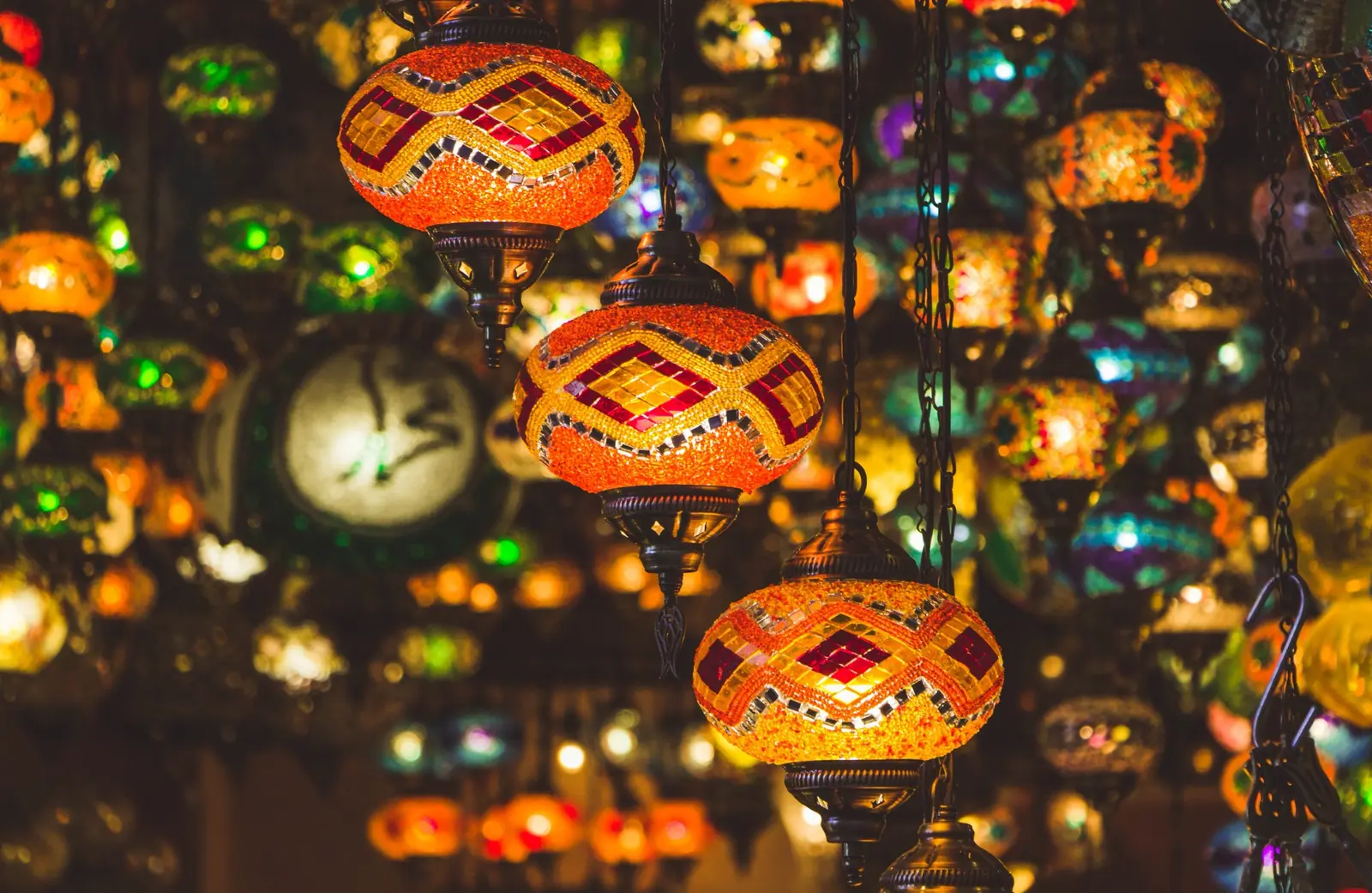
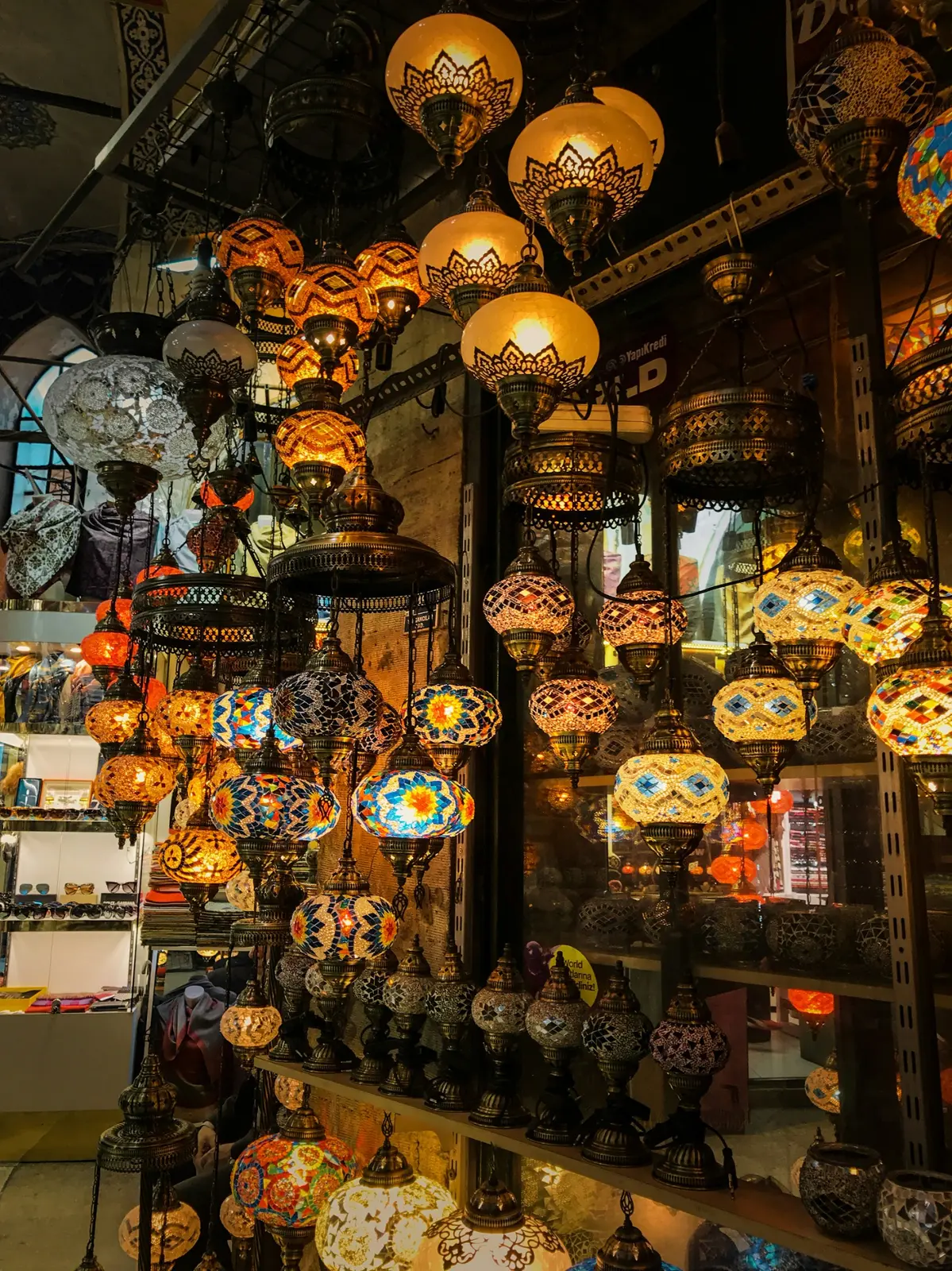
More than sixty streets now lead to shops selling carpets, jewellery, leather, ceramics, textiles, antiques, lamps, woodwork and handmade gifts. A carpet seller may explain a rug’s region, knot, dye and age; a jeweller may describe techniques passed through generations; a ceramics shop may show patterns connected to Iznik and Ottoman court decoration.
Not every shop is a workshop, so ask about materials, origin, production and certificates before buying. For carpets and jewellery, clarify repair, shipping and export conditions as well.
Nuruosmaniye, Beyazit and the Old Trade Quarter
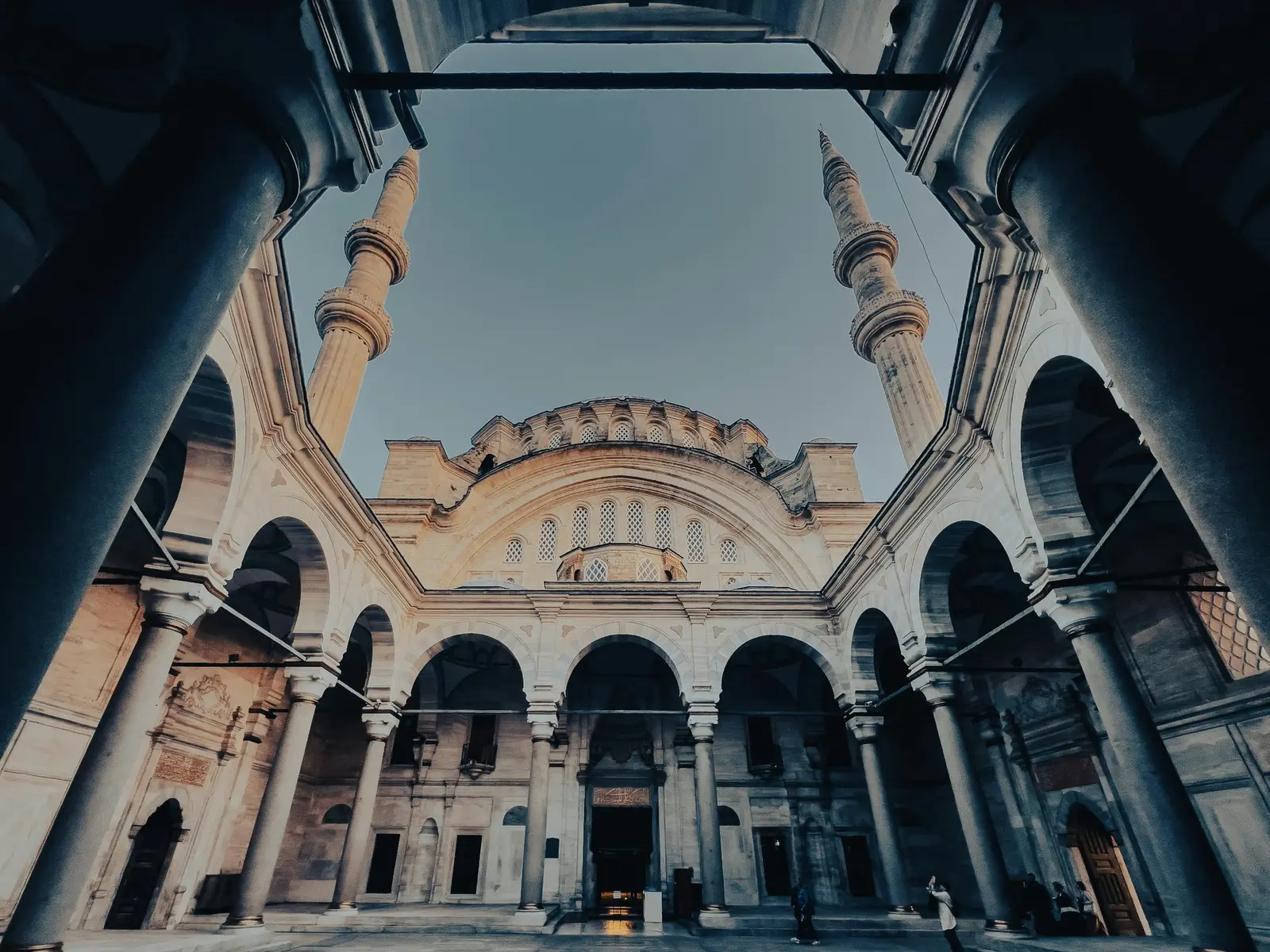
Nuruosmaniye Mosque, the Beyazit complex and the old university quarter show that the Grand Bazaar was never an isolated market. Mosque, foundation, han, shop and road formed one dense civic centre. The baroque Ottoman details near the Nuruosmaniye gate make a striking contrast with the restrained, practical interiors of the bedestens.
Notice which gate you leave through: each one leads towards a different neighbourhood, mosque or old trade route. Even a short walk shows how closely the bazaar remains tied to the surrounding city.
UNESCO and Living Heritage
The Grand Bazaar is included on Turkey’s UNESCO Tentative List. Conservation here is not simply about freezing an empty monument in time. Domes, vaults, doors, masonry and timber details must be protected while thousands of visitors and working businesses continue to use the complex every day.
The market is historic because it has changed, and still interesting because it has not been turned into a museum set. It remains a place where people shop, drink tea and discuss craft.
Walking, Bargaining and Tea
Allow yourself to get a little lost. Look at the painted vaults, the rhythm of the domes, the shop signs and the changing light between the covered streets. Tea or Turkish coffee offered by a shopkeeper is a social custom, not an obligation to buy.
Bargaining is normal, but compare several shops, learn what you are buying and keep the conversation respectful. Comparing several sellers helps you understand the product as well as the price.
Visitor Information
- Location: Beyazit, Fatih; Beyazit–Kapalicarsi is the nearest T1 tram stop.
- Time needed: 2–4 hours for a relaxed visit, longer if you are shopping.
- Entry: Free; no ticket is required.
- Hours: Usually Monday–Saturday, about 08:30–19:00. It may close on Sundays and some public or religious holidays; individual shops vary.